In a groundbreaking discovery that has stunned archaeologists, a new study published in Nature on Wednesday has revealed that the largest “bluestone” at Stonehenge, known as the “altar stone,” originated from the very north-east corner of Scotland, not Wales as previously believed.

The astonishing finding indicates that the 6-tonne, 5-meter-long sandstone block was transported an incredible distance of at least 466 miles (about 750km) by prehistoric people.
“It completely rewrites the relationships between the Neolithic populations of the whole of the British Isles,” said Rob Ixer, an honorary senior research fellow at University College London (UCL) and one of the experts behind the study. “The science is beautiful and it’s remarkable, and it’s going to be discussed for decades to come … It is jaw-dropping.”
The study, conducted by experts from Curtin University in Perth, Australia; the University of Adelaide; Aberystwyth University; and UCL, examined the altar stone’s chemical composition and the age of minerals within it to determine its origins.
The results were a “dead ringer for the Orcadian Basin in north-east Scotland,” according to Nick Pearce, a professor of geography and earth sciences at Aberystwyth and a co-author of the report.
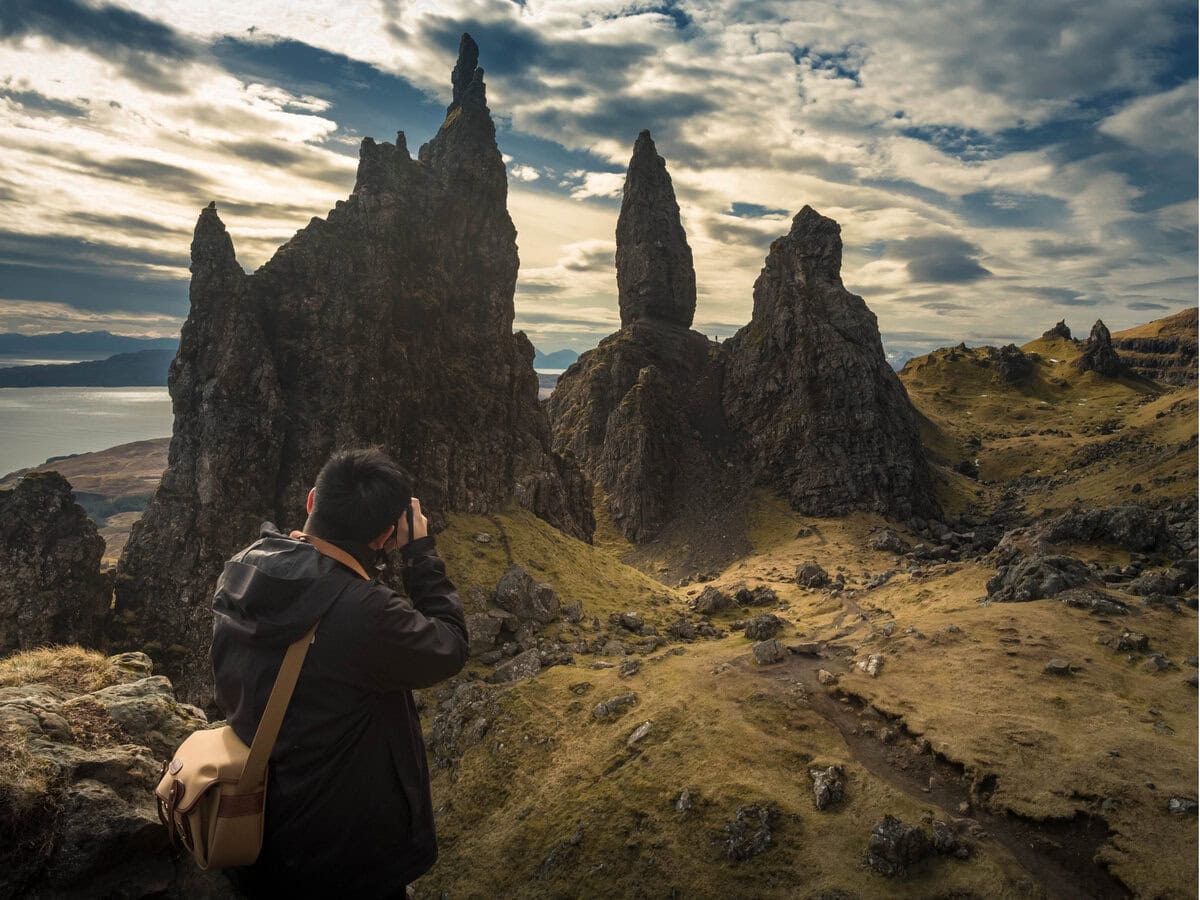
The potential source area has been narrowed down to encompass Orkney; a triangle of land around present-day John o’Groats in Caithness; and a narrow coastal strip stretching south as far as the Moray Firth around Inverness and east to present-day Elgin.
“The odds of the stone coming from elsewhere are fractions of a percent,” said Pearce.
However, a separate academic study has ruled out Orkney as the specific source of the altar stone, despite the islands’ rich Neolithic culture and tradition of monument building.
The study, which examined the chemical and mineralogical makeup of the stones in Orkney’s two great stone circles – the Stones of Stenness and the Ring of Brodgar – found that their key markers were strikingly different from those of the altar stone.

“Everybody and their dog would have said: ‘Let’s try Orkney first. It’s going to be Orkney,'” said Dr. Rob Ixer, a co-author of both studies. “Life would have been far simpler had it turned out to be similar to the stones of Brodgar. The more we learn [about Stonehenge], the weirder it gets.”
The exact method of transportation for the altar stone remains a mystery, with marine transport being one feasible option given the major overland barriers en route from north-east Scotland to Salisbury Plain.
However, archaeologist and writer Mike Pitts believes an overland journey, perhaps taking many years, is more likely. “If you put a stone on a boat out to sea, not only do you risk losing the stone – but also nobody can see it,” he said, suggesting that a land journey would engage people en route, with the stone “becoming increasingly precious … as it travels south.”
This groundbreaking discovery not only alters our understanding of Stonehenge but also suggests that the site was known to people over a much wider area of Britain during the Neolithic period.
As research continues to unravel the mysteries surrounding this iconic monument, one thing is certain: the tale of Stonehenge is far from over.